Restaurant Fire Insurance: Who Pays for the Build-Out, Payroll and Rent?
Quick answer: After a restaurant fire, the hardest fight is usually over the build-out: the booths, the bar and the kitchen line you paid to put in a building you lease. The landlord's policy usually covers the building, and your build-out may fall on your own policy. Your lease decides who owns and insures what. Business income coverage can replace lost profit and keep payroll going during a covered shutdown, but it has limits and time caps. Many leases keep the rent running after a fire. Know your lease, your declarations page and your limits before you need them.
Key takeaways:
- The fight after a restaurant fire is often over who owns the build-out, the tenant or the landlord. Your insurer is going to ask.
- The landlord's policy usually covers the building. Your build-out may fall on your own policy, as tenant improvements and betterments.
- The lease decides who owns and insures what. If it's vague, the claim can stall while everybody points fingers.
- Business income coverage replaces lost profit and can keep payroll going during a covered shutdown, within limits and time caps.
- Many leases keep the rent running after a fire. Business income and extra expense coverage may help with continuing costs.
- A public adjuster works for you, not the insurance company, and usually takes a cut of the claim.
- Before your next renewal, take five photos and store them off site with your build-out invoices.
Who Pays for a Restaurant's Build-Out After a Fire, the Tenant or the Landlord?
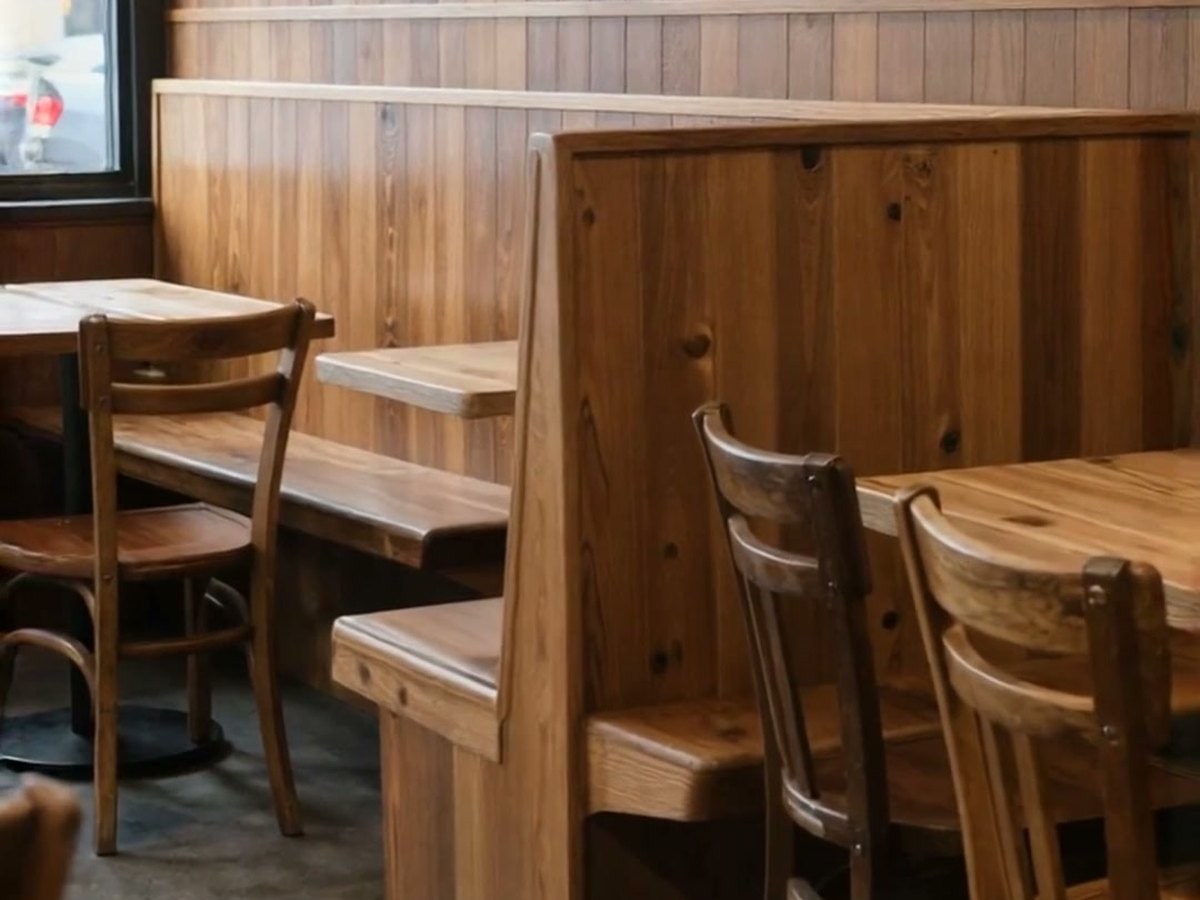
Say a grill fire closes your restaurant for six months. The loose stuff, like tables, chairs and inventory, gets settled. The booths don't, because nobody can say for sure who owns them.
That's the fight after a lot of restaurant fires: who owns the build-out, the tenant or the landlord? The booths, the bar, the hood and the kitchen line were built into the space, and they don't move when you do. So do you know who owns your booths? Your insurer is going to ask you, and "I think the landlord does" is not an answer that moves a claim forward.
Does My Landlord's Insurance Cover My Restaurant Build-Out?
You leased the building. You paid for the kitchen build-out. Then the place burns. Here's your problem: the landlord's policy usually covers the building, and your build-out may fall on your own policy.
Improvements a tenant pays for inside a leased space have a name on a commercial property policy: tenant improvements and betterments. Whether you're covered for them, and for how much, shows up on your declarations page, the summary at the front of your policy that lists your coverages and limits.
So pull your lease and your dec page and read them side by side. Your lease may say one thing and your policy another, and the fire doesn't care which one you meant. The lease decides who owns and who insures what. If it's vague, the claim stalls while everybody points fingers.
The fix starts before you sign: have your agent read the insurance section of your lease before you sign anything, whether it's a new lease or a renewal.
Does Business Income Insurance Cover Payroll After a Restaurant Fire?
Six months closed, 40 people out of work. Where's the paycheck money coming from?
Business income coverage replaces the profit you lose while you're closed after a covered loss. It can also keep payroll going during a covered shutdown, which matters if you want your cooks and servers to still be there when you reopen. But it has limits and time caps. A policy may pay for a set number of months, or up to a set amount, and a long rebuild can outlast it.
So ask your agent how many months your policy actually pays, and whether payroll is included the way you think it is.
Do I Still Have to Pay Rent If My Restaurant Burns Down?
Your restaurant burned, and the rent may still be due. Many leases keep the rent running after a fire.
Business income and extra expense coverage may help with continuing costs like rent while you're closed. Extra expense is the part that can help pay for costs you take on to keep going or reopen sooner.
Know your lease's fire clause before you need it. If you can't find it, that's the first thing to ask your agent or your attorney about.
What Is a Public Adjuster and Should I Hire One After a Fire?
A public adjuster works for you. They're not hired by the insurance company, and they usually take a cut of the claim as their fee.
Some owners hire one after a big loss, and some don't. Either way, know your options before you sign anything after a loss, and read any agreement closely enough to know what you're paying and for what.
What Should I Do When My Insurance Claim Is on Hold?
Claims after a big fire can take months, especially when part of the loss is in question. Here's what you can do while it's open:
- Keep every receipt, invoice and photo.
- Put your requests in writing.
- Ask for the specific reason any part of the claim is on hold.
- Write down every call: the date, who you talked to and what they said.
A clear paper trail makes it easier for everybody to see what's settled, what's still open and why.
What Photos Should a Restaurant Take Before Its Insurance Renewal?
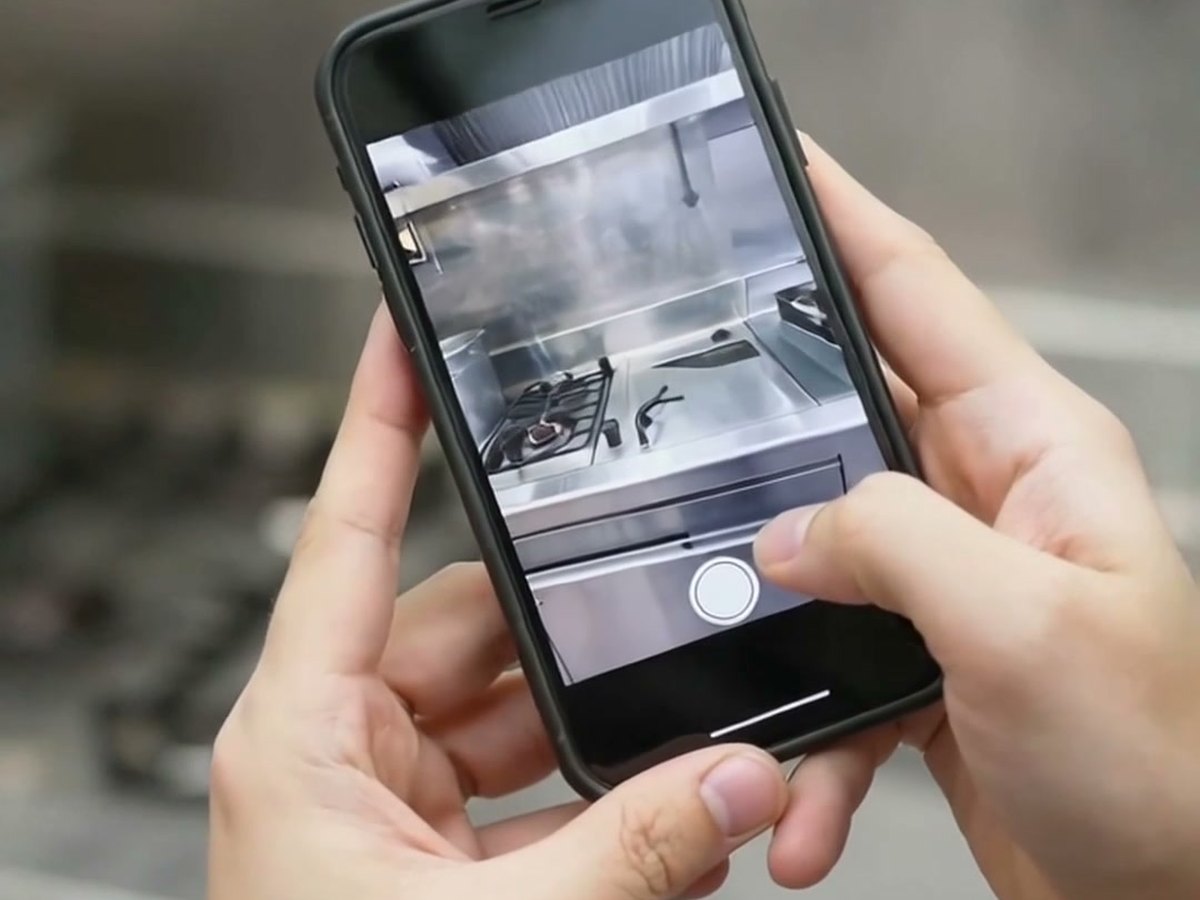
Before your next renewal, take five photos: the kitchen line, the booths, the bar, the walk-in and the dining room. Then store the photos off site, with your build-out invoices, so a fire in the building doesn't take your proof with it.
Those photos and invoices show what you put into the space, which is exactly the question that stalls so many restaurant claims. Five photos today.
Want a Check on Your Limits?
If you're not sure who owns your build-out, how long your business income coverage pays, or what your lease says about rent after a fire, that's worth sorting out before you need it. If you also serve alcohol, it's worth knowing why bar liability insurance went up. Want a check on your limits? Book a free coverage review with Wayne: https://calendar.app.google/VAXw1WFmRwkG2zjS7
Every policy is different, and only your carrier decides what's covered. This is general information, not legal or coverage advice. Read your own policy and talk with a licensed agent about your situation. Illustrations in this post are AI-generated.
Disclaimer: This article is for educational purposes only and does not constitute legal, regulatory, or professional insurance advice. Coverage requirements and options vary by state and individual circumstance. Please consult with a licensed insurance professional before making any coverage decisions.
Have Questions?
Speak with a Licensed Agent
Our team is ready to help Louisiana residents and businesses find the right coverage. No obligation, no pressure.