Year-End Insurance Checklist for Contractors: 8 Things to Check Before January 1
Quick answer: Before January 1, a contractor should check eight things: whether your tools are scheduled on an inland marine policy, whether you carry hired and non-owned auto, whether every sub's certificate covered the dates they worked, how your property policy handles wear and tear, whether your general liability includes host liquor liability before the Christmas party, whether side work like light installs is in your described operations, whether completed operations is on your policy before the first hard freeze, and whether your January 1 renewal is already underway. Year end is when small gaps turn into big bills, and most of them take one phone call to close.
Key takeaways:
- General liability doesn't cover your own tools, and your auto policy usually doesn't cover the tools inside the truck. That's inland marine.
- An employee's personal auto usually pays first in a wreck, but your business can get pulled in. Hired and non-owned auto covers that gap.
- At a workers comp audit, payments to a sub without a valid certificate can be treated like your own payroll.
- Most property policies pay for sudden, accidental damage, not a roof that was already worn out.
- If you serve alcohol at the company party, ask whether your general liability includes host liquor liability.
- Your policy is written for the work you told the carrier you do. Tell your agent about side work first.
- Completed operations may respond to damage to the owner's property; redoing your own work is usually excluded.
- Start a renewal conversation 60 to 90 days out. Inside that window, call this week.
Does Contractor Insurance Cover Tools Stolen Over the Holiday Shutdown?
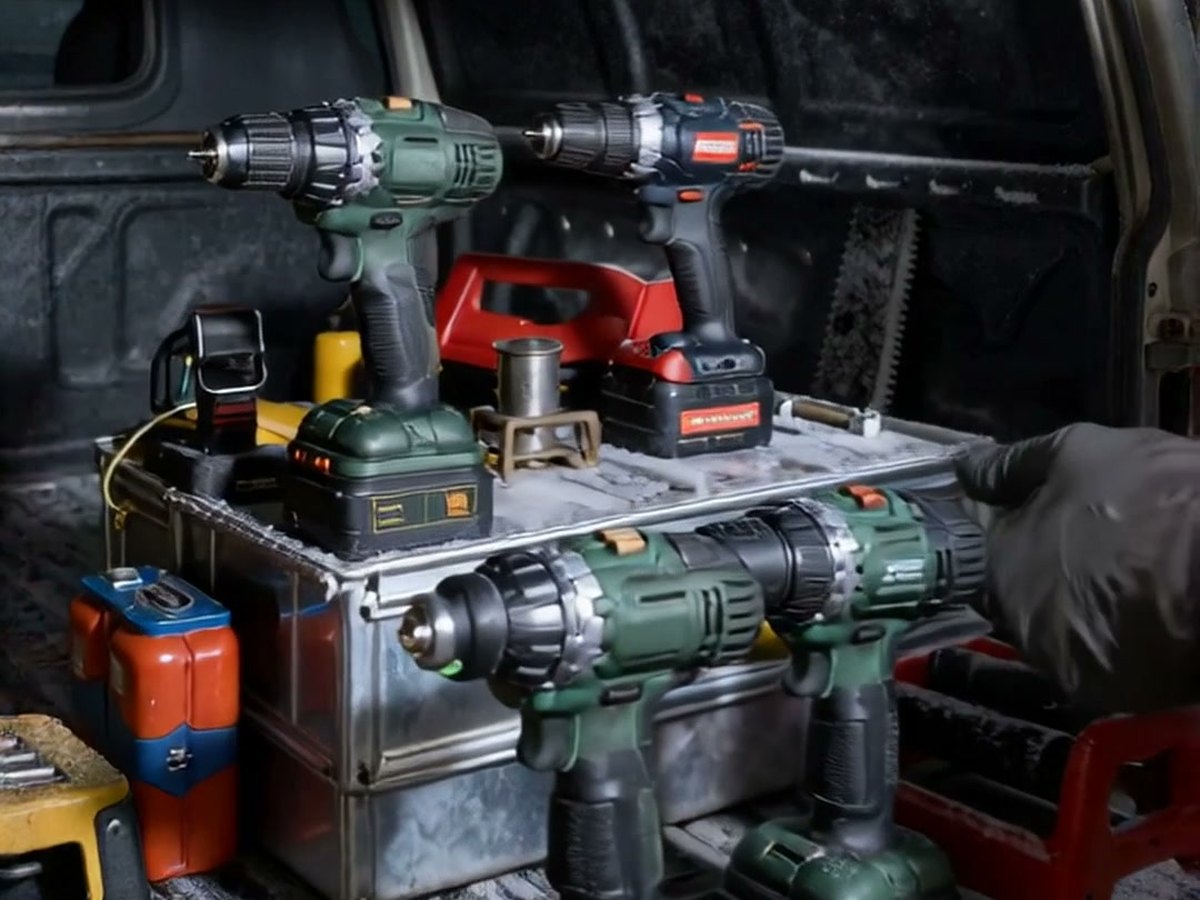
The site's empty from Christmas Eve to January 2. So is your truck. Holiday shutdowns are a thief's favorite season: nobody's on the job, trailers sit in yards, and trucks sit in driveways full of tools.
Here's what surprises people. Your general liability doesn't cover your own tools. Liability coverage is for damage you cause to other people and their property, not theft of your own equipment. Your auto policy usually doesn't cover the tools inside the truck either; it covers the truck.
That's what inland marine is for, sometimes called contractor's equipment coverage. It follows your tools and equipment from job to job, but only for what is actually on it. So before the shutdown, make a list of your tools with serial numbers, take photos, and ask your agent whether they're scheduled.
Does Your Business Insurance Cover an Employee Driving His Own Truck for Work?
Your guy runs to the supply house in his own truck and rear-ends somebody. December is busy: everybody's running parts, picking up materials, making deposits, and half the time it's in their own vehicle.
His personal auto policy is usually first in line. But if his limits are low, or the other side figures out he was on the clock, your business can get pulled in. The lawyers look for every policy they can find.
That's what hired and non-owned auto covers. It is usually not expensive, and a lot of small contractors don't have it. If anybody drives their own vehicle for your business, even once a week, ask about it. If a vehicle has already moved from personal use to business use, read when a business vehicle needs commercial auto.
Why Can a Workers Comp Audit Charge You for Your Subcontractors?
Your sub's certificate expired in August, and your auditor finds it in January. Here's how a workers comp audit works.
Your premium at the start of the year is a guess, built on estimated payroll. At the end, the auditor looks at what you actually paid out, including what you paid your subs. If a sub had their own workers comp the whole time, you're usually fine. If their certificate lapsed, or they never had one, the auditor can treat those payments like payroll for your own employees, and you get the bill.
So before the year closes, pull every sub you paid this year and check that each certificate covered the dates they worked with you. We walk through a real audit bill in why a workers comp audit charged you for your subs, and the 1099 side of it in workers comp for 1099 contractors and subcontractors.
Why Do Roof Claims Get Denied for Wear and Tear?
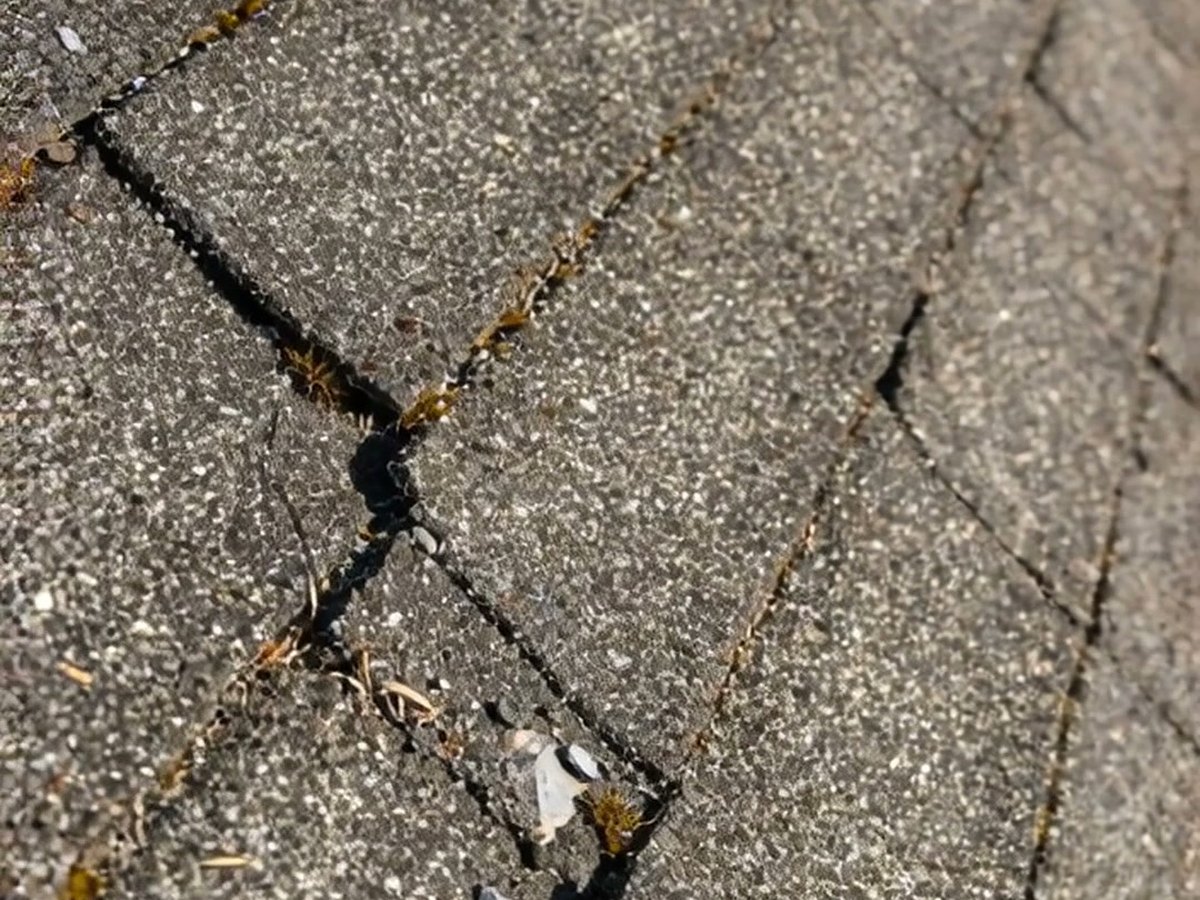
Hurricane season ends November 30, and some of this year's roof claims just got denied for wear and tear. Most property policies pay for sudden, accidental damage. They don't pay for a roof that was already worn out. That's called maintenance, and the adjuster will point that out.
Two more things to know. Actual cash value pays you minus depreciation. Replacement cost pays to replace it. That is a big difference on an old roof, so know which one your policy carries before the next storm.
And if you disagree with the amount, most policies have an appraisal clause, a process for settling a dispute over how much the damage is worth. Read your denial letter, and don't sign anything final until you understand it.
Is Your Business Liable If Someone Drinks at the Company Christmas Party?
The party ends at 10. The wreck happens at 10:20. Your name's on the invitation.
A company Christmas party is a good thing. Your crew worked hard all year, and they deserve it. But if you're serving alcohol and somebody gets hurt on the way home, the injured party may look at whoever hosted the party. That's you.
Ask your agent whether your general liability policy includes host liquor liability, and what it does not cover. Then do the simple stuff: hire a bartender instead of an open cooler, set a cutoff, and have rides lined up.
Does Your Roofing Insurance Cover Hanging Christmas Lights?
Roofers make good money in December hanging Christmas lights. It's a smart side hustle: you've got the ladders, the crew and the guts to work on a roof, and homeowners will pay well to not do it themselves.
But your policy is written for the work you told the carrier you do, which is roofing. If light installs aren't part of your described operations, a claim from that work can turn into an argument. And underwriters look at your website and your social media. If you're advertising it, they'll see it.
Tell your agent before the first job, not after the first claim.
Does General Liability Cover a Pipe That Bursts After the Job Is Done?
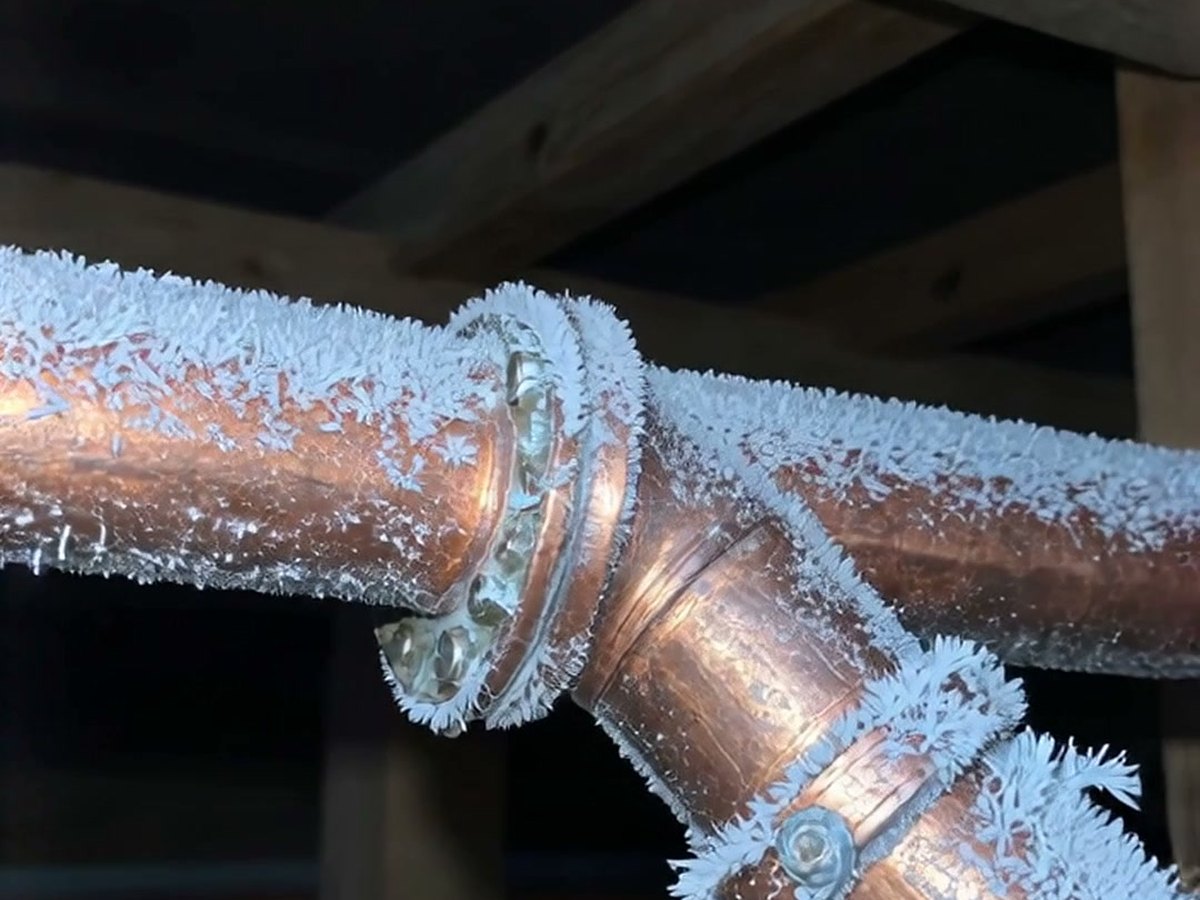
You finished the job in November. The first hard freeze splits the line in January. Whose policy pays?
Down here we don't get many hard freezes, so crews get comfortable. Then one night it drops into the teens, a line you ran bursts, and the homeowner has water in the walls.
Your general liability may respond to the damage to their property through completed operations coverage. The cost to redo your own work is a different story; that's usually excluded. So two things. Make sure completed operations is actually on your policy; we explain how it works in completed operations coverage for contractors. And on winter jobs, insulate, document it, and take photos before you leave.
Is It Too Late to Shop a January 1 Renewal?
Two weeks before renewal isn't shopping. It's signing whatever shows up.
A lot of contractor policies renew January 1, and a lot of owners don't think about it until the renewal lands on their desk the week of Christmas. By then there's no time to compare carriers, fix a wrong class code, or fight a bad loss run. Underwriters need your applications, your payroll and your loss history, and they're buried in year-end files too.
Start the conversation 60 to 90 days out. If you're already inside that window, don't panic. Call your agent this week, not the week before your renewal.
How Do You Get a Second Set of Eyes on Your Coverage Before January 1?
Eight checks, one review. If any of these hit close to home, the fastest fix is a conversation before the year closes. Want a second set of eyes on your coverage? Book a free coverage review with Wayne: https://calendar.app.google/VAXw1WFmRwkG2zjS7
Every policy is different, and only your carrier decides what's covered. This is general information, not legal or coverage advice. Read your own policy and talk with a licensed agent about your situation. Illustrations in this post are AI-generated.
Disclaimer: This article is for educational purposes only and does not constitute legal, regulatory, or professional insurance advice. Coverage requirements and options vary by state and individual circumstance. Please consult with a licensed insurance professional before making any coverage decisions.
Have Questions?
Speak with a Licensed Agent
Our team is ready to help Louisiana residents and businesses find the right coverage. No obligation, no pressure.